Teen acne
For blackheads, painful spots, frequent breakouts or marks that are making your teenager self-conscious.
When spots, marks, oiliness or sensitive skin affect confidence, it is easy to overuse products or follow conflicting advice online. A consultation can simplify what to use and what to stop.
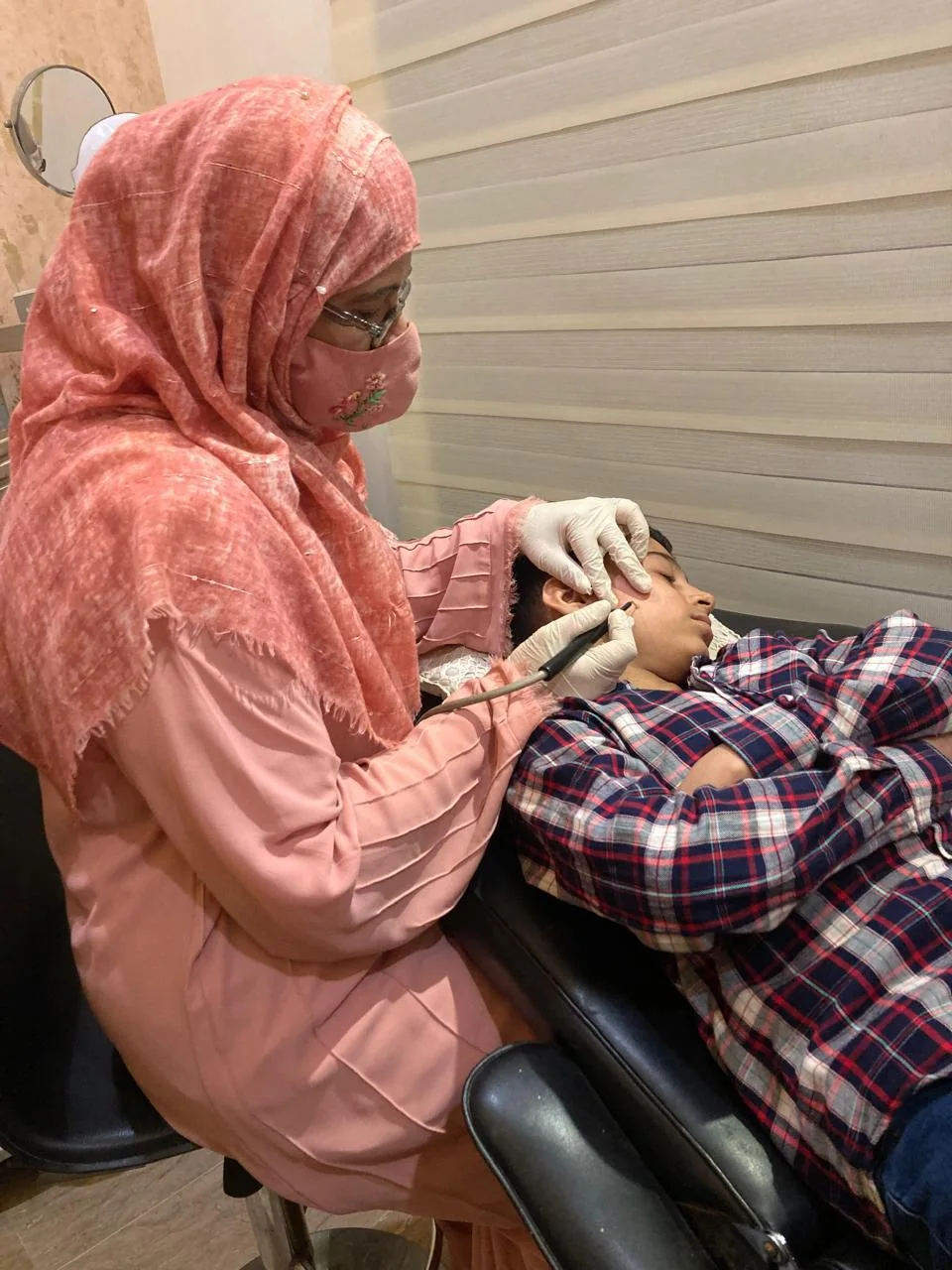
For blackheads, painful spots, frequent breakouts or marks that are making your teenager self-conscious.
For skin that feels greasy but also stings, peels or reacts after using too many products.
For red or brown marks that remain after spots and make the skin look uneven.
For dry, itchy or red skin that flares with weather, sweat, school stress or products.
For visible dandruff, scalp itching, hair shedding or patchy hair loss.
For nails that change colour, thicken, break easily or look infected.
Hormonal change, sport, sweating, school stress and social-media routines can all affect the skin. Trying several strong products at once can add burning, peeling and sensitivity to the original concern.
The goal is not a long shelf of products. It is a routine the teenager understands, can manage consistently and can adjust safely with clinical guidance.
Learn about acne and acne marksThe consultation can address how acne, marks or hair concerns affect school, photographs and social confidence.
Morning and evening steps should fit school life and avoid unnecessary product overload.
Stinging, peeling or redness may mean the routine itself needs to be simplified.
Improvement takes time. Follow-up helps adjust care rather than changing products every few days.
Teen skin concerns are easier to assess when the appointment includes the full routine, not only the latest product. Bring enough context to explain what changed and when.
Acne is not simply caused by poor hygiene, and scrubbing harder can irritate already sensitive skin. The consultation should leave the teenager knowing which steps matter, what improvement may take time and when follow-up is useful.
Yes. A parent or legal guardian should attend appointments for minors and provide relevant history and consent.
Yes. Bring the products or clear photos of their labels, including prescription acne medicines and supplements.
Active acne, post-acne marks and true scars are different problems. The order of treatment depends on examination and pigmentation risk.
Text or WhatsApp the clinic, mention the teenager’s main concern and wait for confirmation. Walk-ins are not accepted.
Text for appointment and mention whether the main concern is acne, sensitivity, a rash, hair or nails. A parent or guardian should attend for a minor.